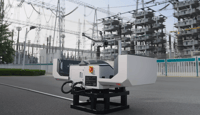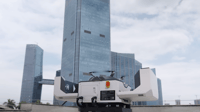

On January 21, 2026, the Brazilian National Civil Aviation Agency (ANAC) officially granted Design Authorization for the DJI Matrice 3D Series and DJI Dock 2. This is a milestone for DJI; it’s a massive leap forward for the entire drone industry in Brazil and a powerful signal for global regulatory compliance.
1. Introduction: Why This Matters
For many organizations, the bottleneck to scaling drone operations isn't the technology—it’s the regulatory uncertainty. While the DJI Dock 2 is more than capable of automated, high-frequency missions, obtaining BVLOS (Beyond Visual Line of Sight) approval has historically been the primary barrier to deployment.
This authorization changes the narrative. By securing official design approval, DJI has addressed the core regulatory challenges, allowing businesses to shift their focus from "Can we fly legally?" to "How can we optimize our operations?"
2. What the ANAC Design Authorization Covers
The certification process, conducted alongside the experts at AL Drones, was rigorous and comprehensive.
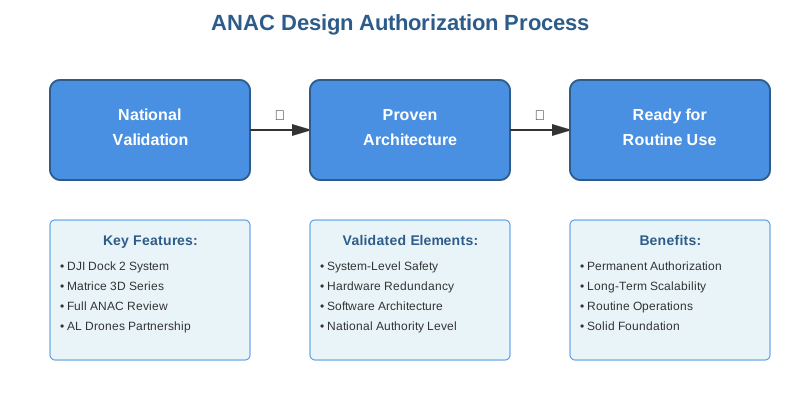
National Validation: The DJI Dock 2 system has been fully reviewed and approved by ANAC.
Proven Architecture: System-level safety, hardware redundancy, and software architecture have all been validated at the national authority level.
Ready for Routine Use: Crucially, this approval applies to routine operations. It is not limited to a one-off pilot project; it is a permanent authorization that creates a solid foundation for sustainable, long-term scalability.
3. What Dock Operators Do NOT Need to Do Anymore
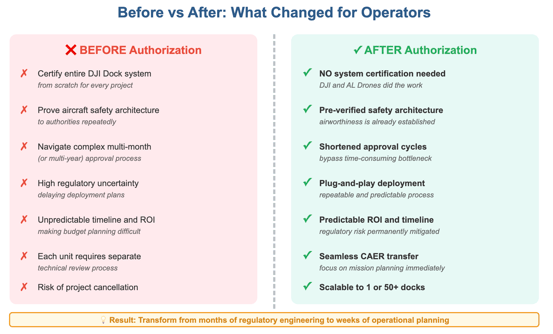
This is where the real value lies for our partners and customers. Because DJI and AL Drones have done the heavy lifting, the path to flight is now significantly shorter.
No More "From Scratch" Certifications: You no longer need to navigate the grueling process of certifying the DJI Dock system design on your own.
Pre-Verified Safety: There is no need to re-prove the core aircraft safety architecture to the authorities. The "airworthiness" of the aircraft is now a given.
4. What Dock Operators Still Need to Do
While we’ve cleared the hardware hurdles, BVLOS operations still require responsible oversight to ensure the highest levels of safety. Operators are still responsible for:
Operator-Level Approvals: Obtain the necessary business registrations or operational approvals as required by Brazilian law.
Qualified Personnel: Ensure that pilots or remote operators hold the correct qualifications and certifications.
Mission Risk Assessment: Conduct localized, mission-specific risk assessments for every deployment site.
Operational Compliance: Adhere to all local safety procedures and request flight authorizations via the SARPAS system.
Active Monitoring: During mission execution, a human operator must remotely monitor the operation from behind the screen.
As per BVLOS regulations, while automation supports the mission, the final responsibility and decision-making power remain with the human operator.
5. The Road to Flight: Securing Your CAER and BVLOS Permissions
While the Design Authorization covers the "blueprint" of the system, individual drone units still need their specific "identity papers" to take to the skies. Here is how the process works now that the primary hurdle has been cleared:
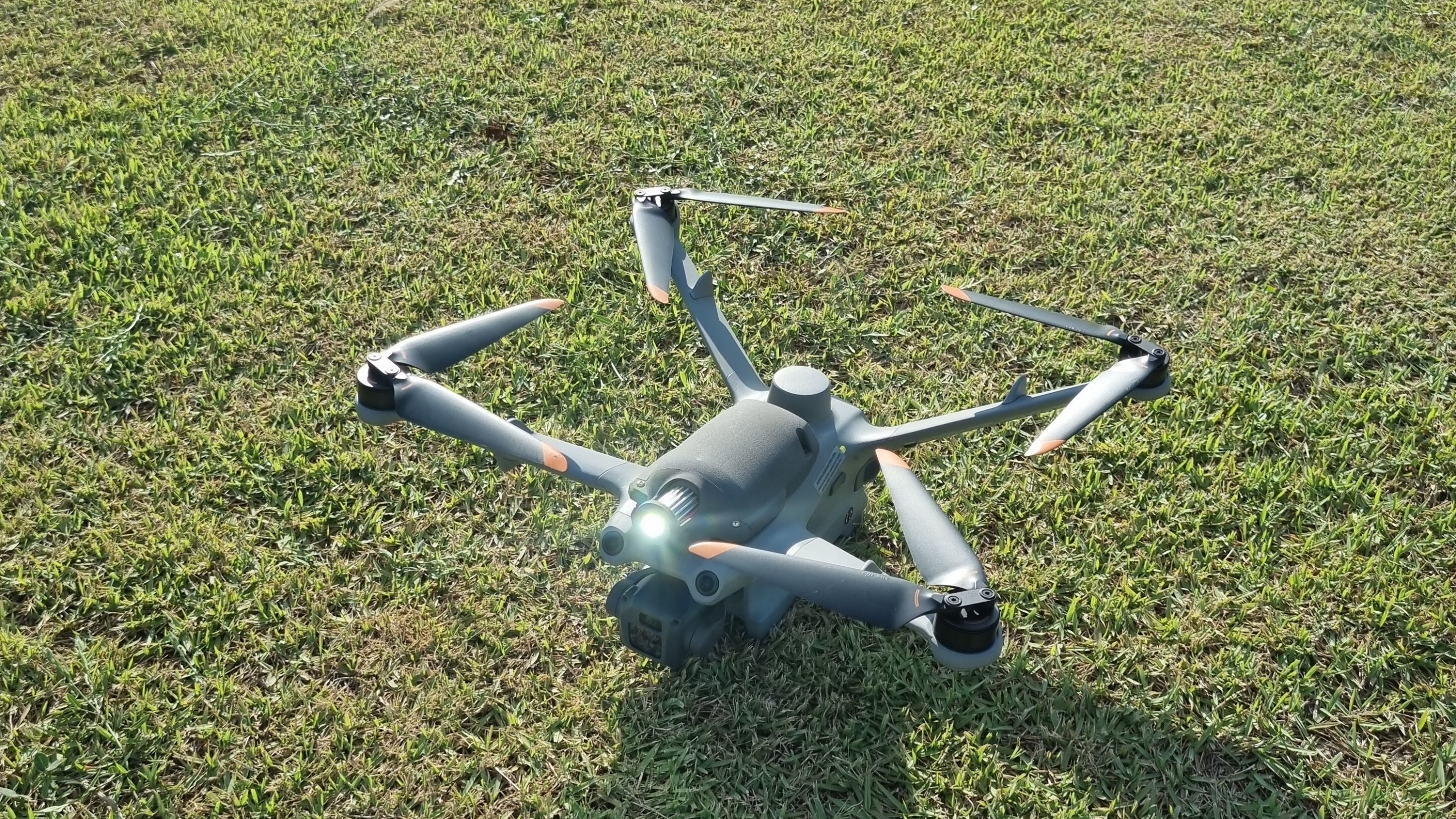
The CAER Certificate: Every Matrice 3D series drone deployed in Brazil is now eligible for a CAER (Special Airworthiness Certificate for Drones). Think of the Design Authorization as the "Type Approval" for a car model, while the CAER is the specific "License Plate" for your vehicle. It is important to mention that the CAER Certificate is conditioned to the installation of an specific ANAC approved Anti-Collision light on the M3D Series, and proof of installation on the aircraft (Picture) will be required to obtain CAER. This light will be available through DJI Enterprise Authorized Resellers.
The SARPAS Gateway: To fly BVLOS, you must interface with DECEA (the Department of Airspace Control) via the SARPAS system. The CAER is the "golden ticket" required to submit these BVLOS flight requests. Without it, the system remains grounded for long-range missions.
Simplified Transferability: One of the most significant benefits of this authorization is that the CAER can be seamlessly transferred to the final operator. This means as a service provider or an in-house flight department, you can receive a unit that is already "airworthiness-ready," allowing you to focus immediately on mission planning rather than regulatory engineering.
6. Scaling at Speed: How This Changes Your Timeline
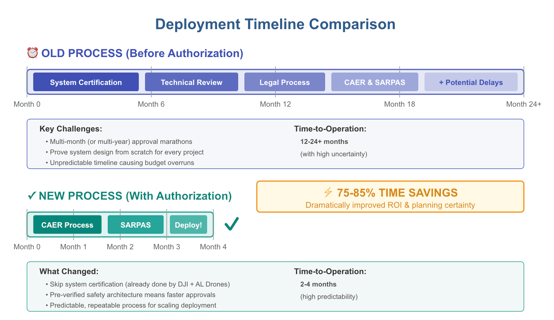
In the enterprise world, Time-to-Operation is a critical KPI. Before this authorization, certifying a "Drone-in-a-Box" system for BVLOS was often a multi-month (or even multi-year) legal and technical marathon.
Shortened Approval Cycles: By removing the need for system-level technical reviews for every single applicant, we’ve effectively bypassed the most time-consuming bottleneck in the regulatory process.
Plug-and-Play Deployment: This authorization transforms the DJI Dock 2 from an experimental tech project into a scalable industrial tool. Whether you are deploying one dock or fifty, the process is now repeatable and predictable.
Predictable ROI: Organizations can now forecast their deployment dates with much higher accuracy, knowing that the "regulatory risk" of the hardware has been permanently mitigated by DJI’s work with ANAC.
A Global Blueprint: Implications Beyond Brazil
The ripple effects of this certification will be felt far beyond the Brazilian border. Brazil’s aviation authority, ANAC, is respected globally for its rigorous standards. Their stamp of approval carries weight.
A Reference Model for the World: For regulators in other regions, this provides a clear, documented reference for how the DJI Dock 2 and Matrice 3D series meet high-level safety requirements. It sets a precedent that simplifies conversations with civil aviation authorities worldwide.
Compliance-by-Design: This achievement is the ultimate proof of DJI Enterprise’s "Compliance-by-Design" philosophy. We don't just build for performance; we build to meet the world’s most demanding safety standards.
Leading the Autonomous Frontier: By securing the first international airworthiness approval for this product line in Brazil, DJI is demonstrating that the future of autonomous, remote drone operations isn't just a vision—it's a legally compliant reality ready for global adoption.