


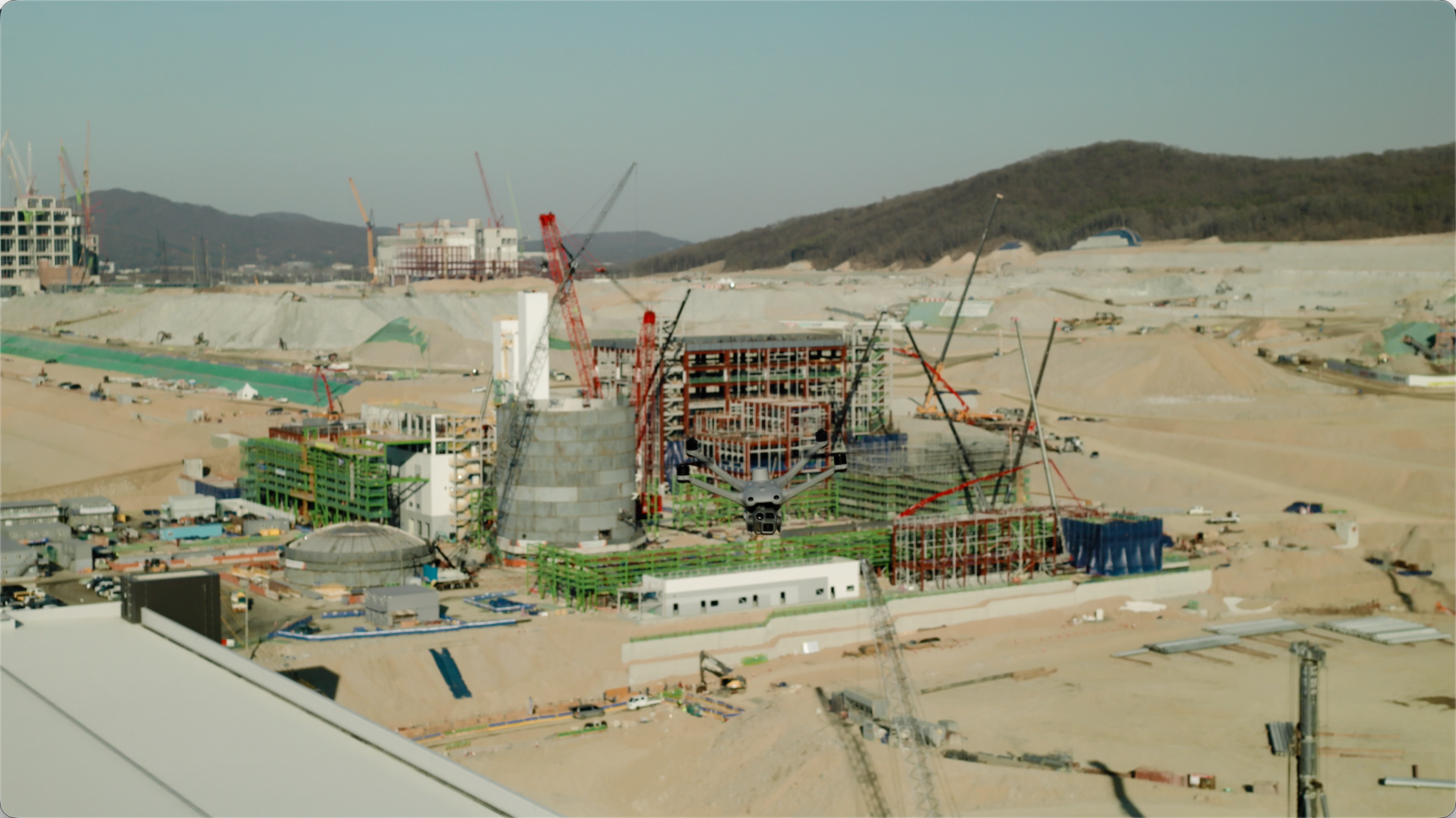
Across Wonsam-myeon in Cheoin-gu, Yongin-si, Gyeonggi-do, one of South Korea’s most significant large-scale developments is under construction. Spanning approximately 4.16 million square meters with a total budget of 2.5 trillion KRW, the project is being built as a major strategic development. At this scale, time is not simply a metric of efficiency—it is a mission-critical factor. As the provided subtitles state, even a single day’s delay is unacceptable.
When Scale and Weather Make Manual Inspection Unsustainable
The challenge was not only the scale of the site, but also the conditions in which it had to operate. Winter brought severe cold ranging from -10°C to -20°C, along with frequent snowfall and constantly changing field conditions. On such a vast site, manually inspecting conditions in a short period was physically difficult, operationally inefficient, and increasingly risky. Traversing the site on foot or by vehicle during adverse weather consumed excessive manpower, while hazardous terrain and prolonged exposure to the cold created additional safety concerns. In many cases, the greatest inefficiency came from missing the “golden time” needed for critical crisis response.
Construction sites are environments defined by variables. Conditions can shift quickly, and decisions lose value when they are based on delayed or incomplete information. What the project needed was not just a faster way to inspect the field, but a more intelligent way to understand the site in real time. That requirement led to a smarter construction workflow built around automation, remote operations, and connected data.
Building a Smart Construction Workflow with DJI Dock 3
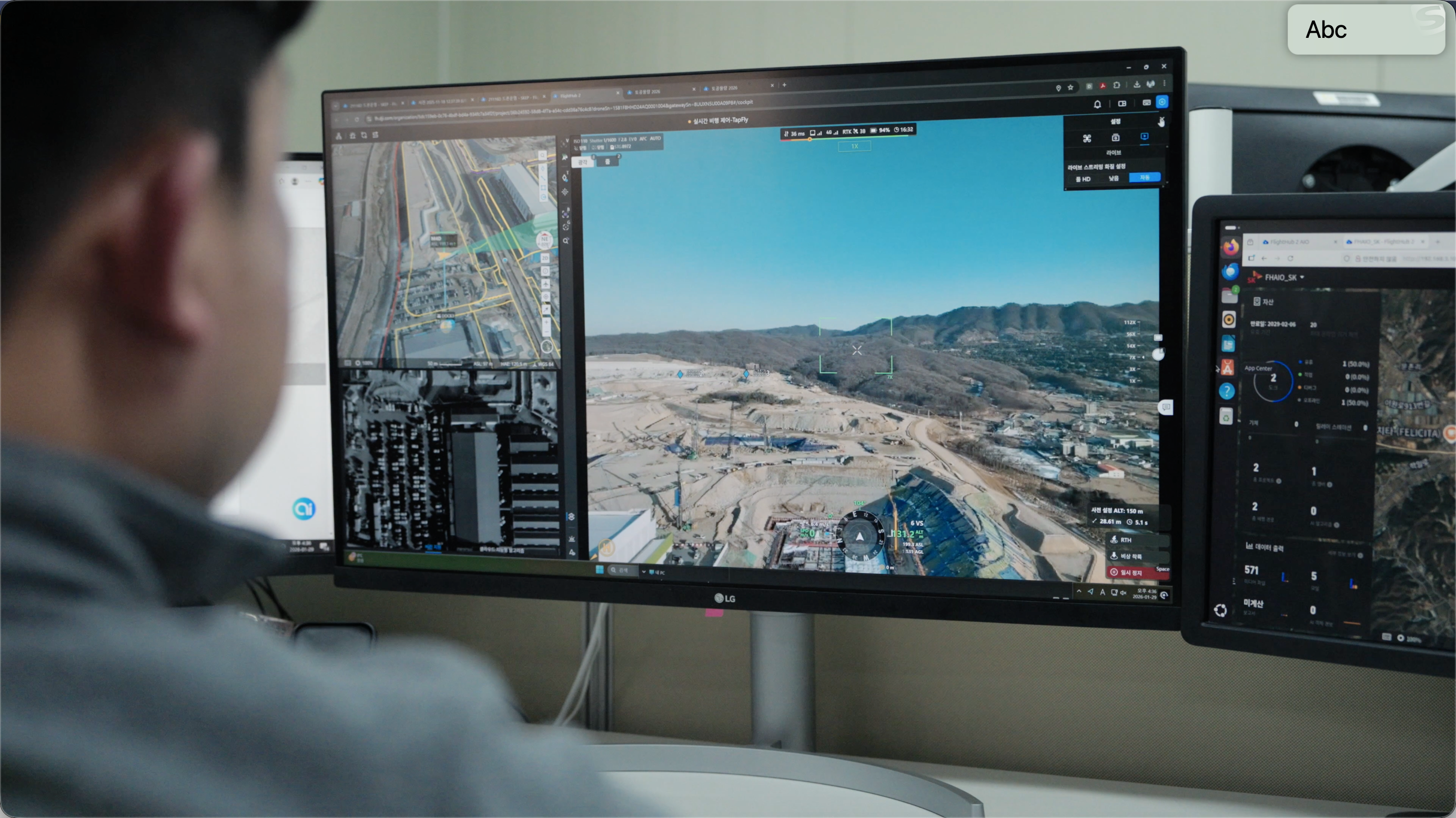
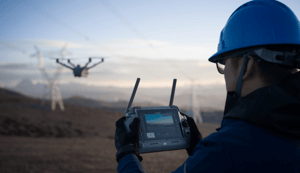
To address these challenges, the project team adopted DJI Dock 3 as the foundation of its smart construction site solution. According to the subtitle material, the DJI Dock 3 enabled stable automatic flight even in sub-zero winter conditions. Drones could carry out scheduled patrols automatically and collect data automatically, allowing the team to monitor the entire site remotely from the office without needing to be physically present in the field.
This shift was significant. Instead of dispatching personnel across a massive and potentially dangerous construction environment, the team could move toward a monitoring model built on real-time aerial data. The result was a site management approach that was not only more efficient, but fundamentally more responsive. When conditions changed, the team could see them faster, assess them earlier, and act with greater confidence.
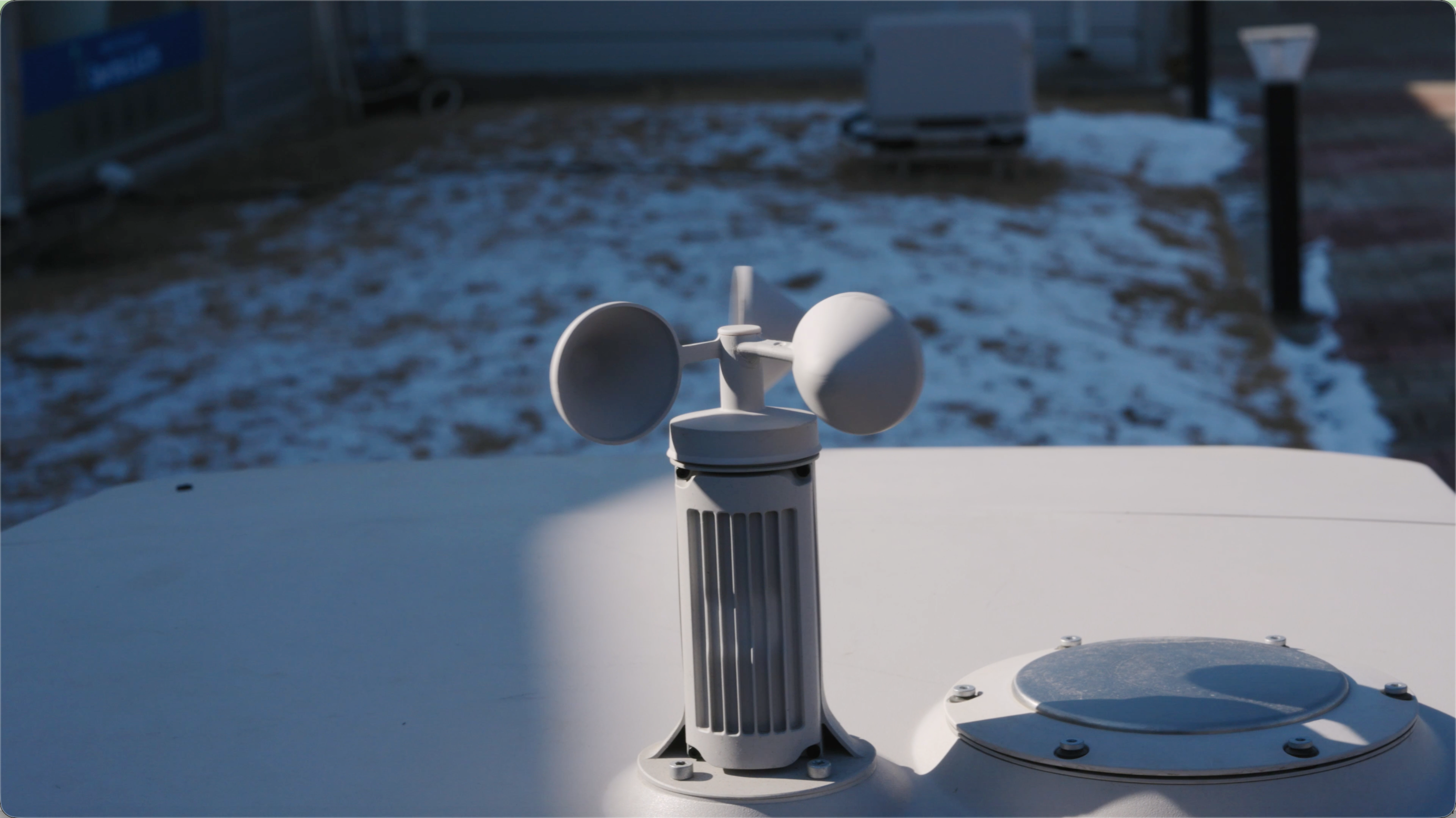
The solution’s performance in winter was especially important. The provided subtitles note that even at -20°C, the battery heating system enabled immediate takeoff. The system also delivered durability and GPS precision, making it possible to perform accurate scans of difficult terrain even in strong winds and heavy snow. For a project where weather can slow access, delay assessment, and increase risk, reliable flight performance under harsh conditions became a key operational advantage.
Connecting Flight Operations with Data-Driven Project Management
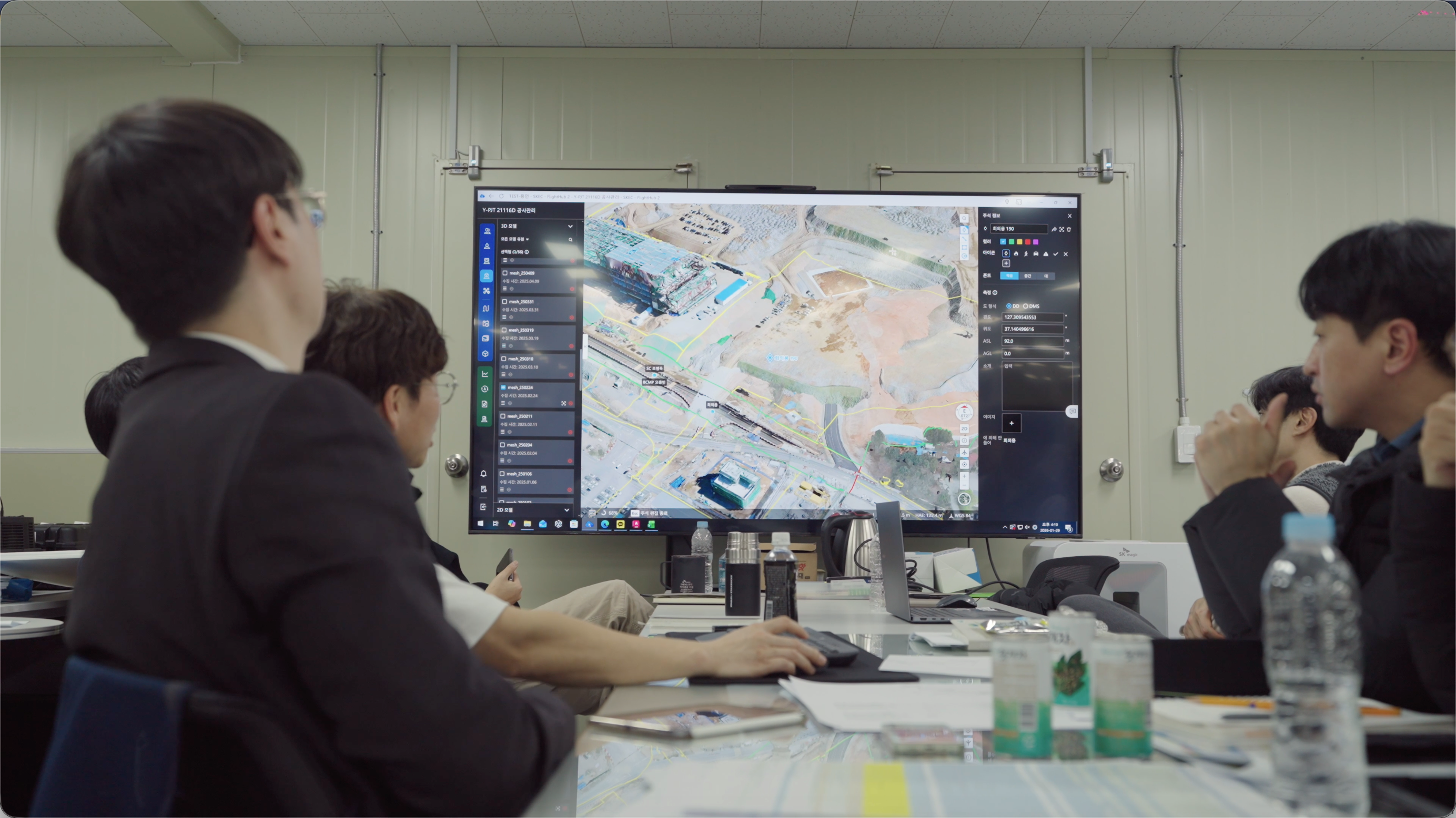
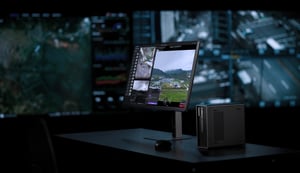
Automation alone was only part of the value. Through FlightHub 2, the system supported comprehensive project management by integrating field data into a unified workflow. This allowed the team to move beyond isolated inspections and toward a more connected operating model in which patrol data, site visibility, and management decisions were linked together.
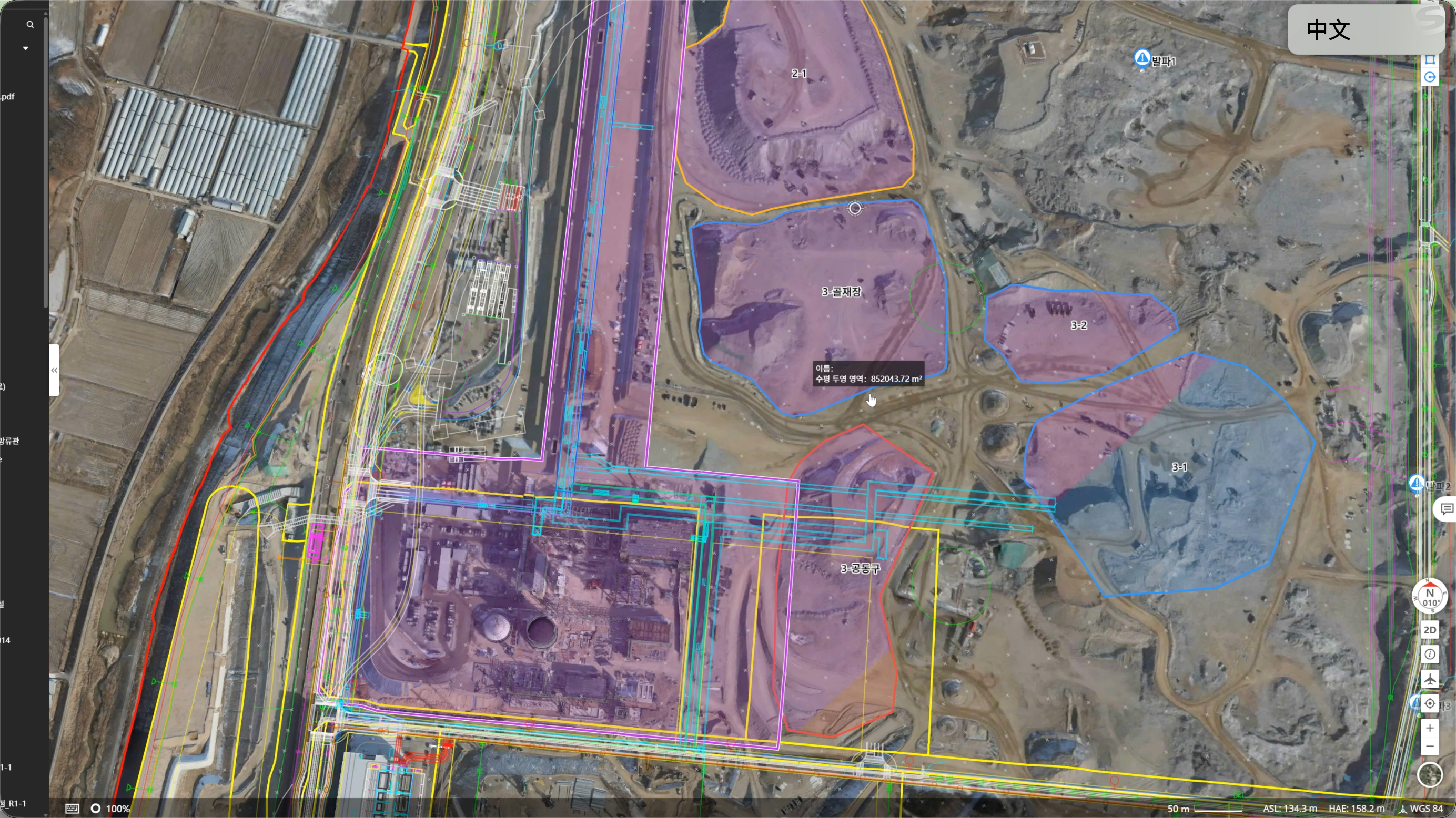
That integration helped transform how decisions were made on-site. Rather than relying on subjective individual judgment, the project transitioned to what the subtitles describe as a “data-driven decision-making support” system. With site models updated in real time, the team improved both speed and accuracy. Meetings conducted with the latest data shared through the cloud significantly enhanced situational awareness, strengthened communication efficiency, and supported rapid, precise decision-making across the project.
For a large-scale construction project, this matters as much as flight performance itself. Drone operations become more valuable when they do not stop at image capture, but feed directly into planning, coordination, and execution. In this case, DJI Dock 3 was not simply enabling automated flights—it was supporting a broader smart construction workflow built on visibility, consistency, and real-time data access.
Faster Inspections, Lower Risk, Better Outcomes
The operational impact was clear. By using drones, the team eliminated 100% of the manual labor previously required for inspections, fundamentally cutting off all associated risks. Surveying time was reduced by over 80%, from several days to just a few hours. Before adopting the drone-based workflow, snow removal had to be completed before inspections could even begin. With DJI Dock 3 in place, drones became the first to arrive and the fastest to assess the situation.
This speed created real value at the project level. Faster inspections meant earlier awareness of changing field conditions, more timely identification of hazards, and quicker escalation when action was needed. On a site where delays can ripple across schedules, crews, and milestones, shortening the gap between observation and response is a major advantage.
The safety benefits were equally important. The drone system allowed the team to immediately inspect high structures that would normally require specialized equipment, as well as areas that were dangerous or difficult to access directly. By sharing field hazards in real time, the site shifted from a reactive “post-accident recovery” model to a proactive “pre-accident prevention” system. Since replacing manual inspections with drones, there have been zero reported inspection-related accidents, according to the provided subtitle material.
Designed for Enterprise Construction Environments
The case also highlights the importance of practical enterprise deployment. The subtitles state that AIO operates on a closed network, addressing security concerns, while local processing enables mapping and modeling to be completed rapidly regardless of internet speed. On large-scale sites, where streaming limits and mapping-photo restrictions can create cost burdens, the adoption of AIO reportedly allowed the team to use all features without restrictions and significantly increased operational utility.
This is an important point for construction teams evaluating drone automation at scale. Success is not defined only by whether a drone can fly, but by whether the full workflow—capture, processing, sharing, and management—can operate reliably inside the realities of enterprise projects. In the SK case, DJI Dock 3 supported that broader requirement by helping create a workflow that was automated, connected, and practical for daily site operations.
A Smarter Model for the Future of Construction
For large-scale or highly complex civil engineering sites, the subtitle narrative makes a clear conclusion: this kind of technology is no longer optional, but necessary. While there is an initial investment, the solution enables the prevention of safety accidents and the precise tracking of construction progress through FlightHub 2’s integrated data management. That allows project teams to use data more effectively, achieve key milestones, and support successful project delivery.
The SK project shows what smart construction site management can look like when drone automation is deployed as an operational system rather than a standalone tool. With DJI Dock 3, the team gained a faster way to inspect, a safer way to manage risk, and a more connected way to make decisions across a massive and complex site. As the provided subtitles describe, by sending drones to the coldest and most hazardous locations, they served as guardians—helping make the site the warmest and safest place to work.


-3.png?width=300&name=Insight%20blog%20featured%20image%201140X660%20(2)-3.png)
